AccuKnox CNAPP - Release v3.2 Notes
Release Date: 25th September, 2025
This release strengthens automated compliance, vulnerability visibility, RBAC workflows, and API security, while improving scale, stability, and enterprise integration.
Highlights
- Automated ASPM & CSPM Reports → Scheduled, versioned compliance reporting for SOC 2, ISO 27001, etc.
- Unified Helm Chart → Simplifies deployment of agents & risk jobs into a single configuration.
- CDR & SIEM Drawer View → Faster triage with consolidated event details in one pane.
- Manage Engine Service Desk Pro Support → Full priority sync, auto-cleanup, and better UI for ITSM workflows.
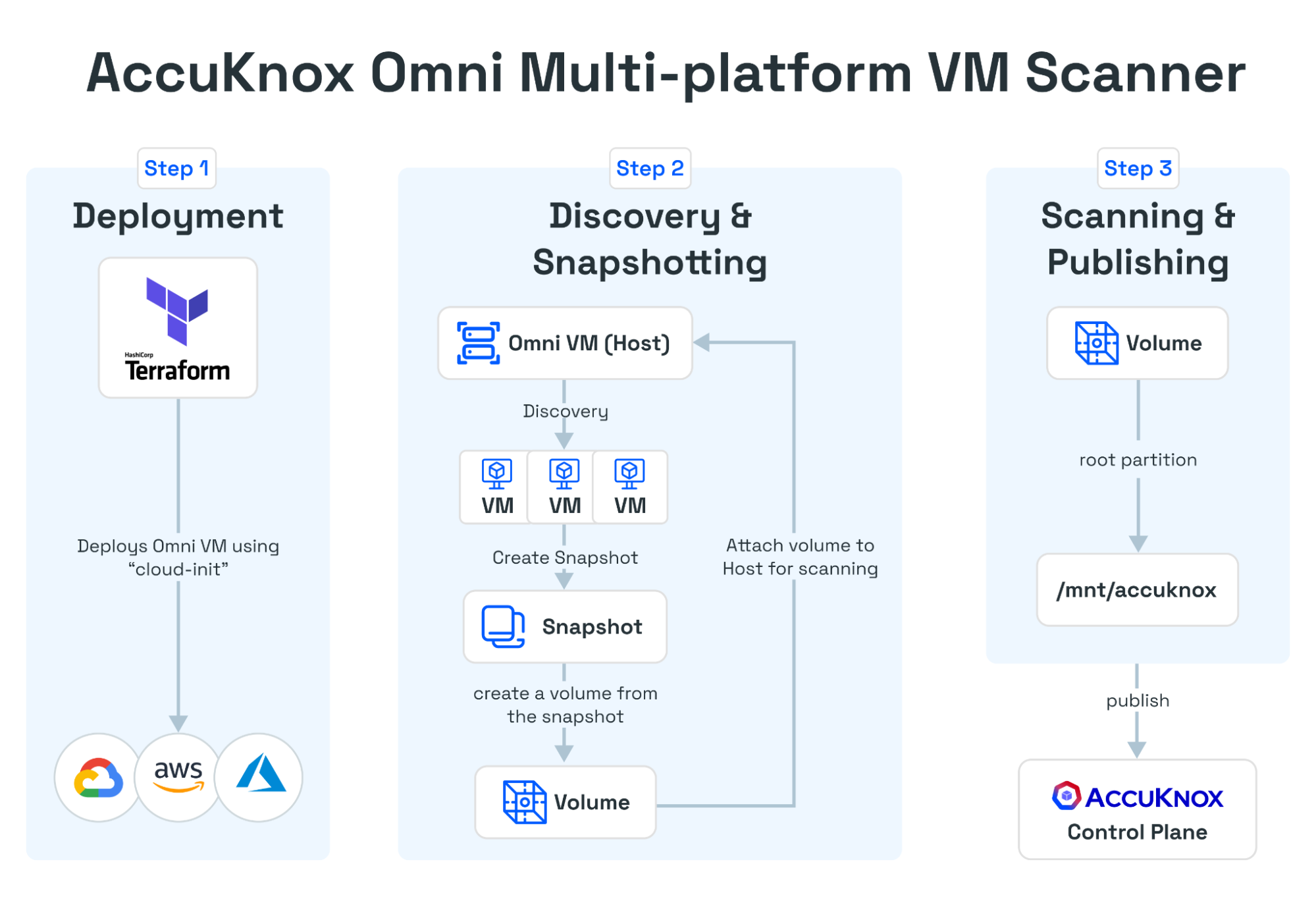
- VM Vulnerability Scanning → Multi-cloud visibility (AWS, GCP, Azure) with enriched metadata (OS, account type, account name).
- API Security -- Phase 1 → API inventory, schema/specs review, scans, and findings for better attack surface mapping.
- Collectors → Built-in scanning modules (Host Endpoint, ASPM, AI Security) without external plugins/workflows.
- VM Hardening Policies → Out-of-the-box policies for stronger runtime security.
- SPIRE-based Onboarding for Jobs → Replaces expiring access tokens with streamlined, persistent auth.
Features & Enhancements
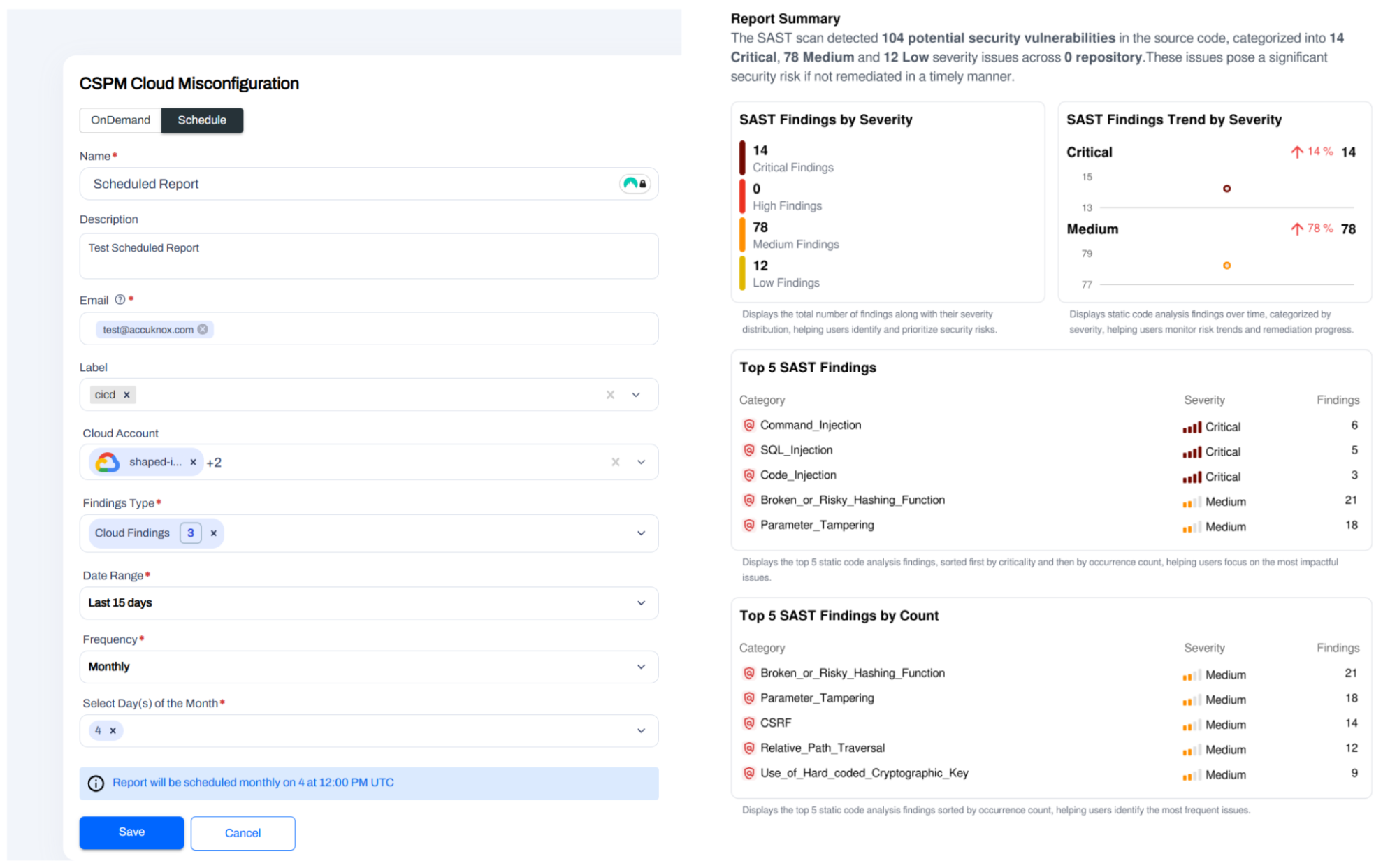
1. Scheduled ASPM & CSPM Reports
Manual reporting workflows often delayed compliance checks and required manual effort from engineering teams.
You can now configure ASPM and CSPM reports to automatically run on a fixed cadence (daily, weekly, or monthly), with fine-grained control over included clusters, namespaces, and tenants.
Reports can be versioned, status-tracked, and delivered directly to stakeholders, enabling consistent compliance evidence collection for SOC 2, ISO 27001, and other frameworks.
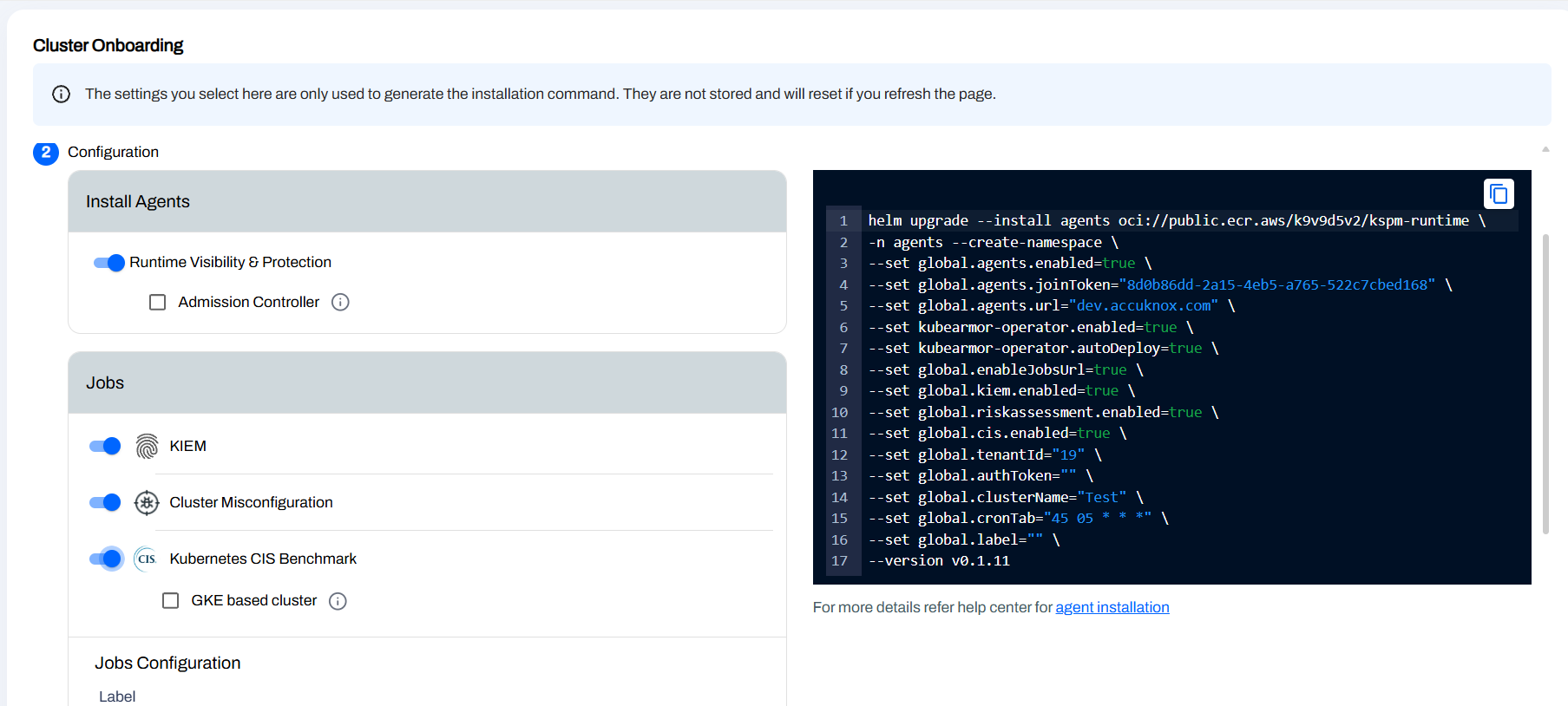
2. Consolidated Helm Charts for Agents & Risk Assessment Jobs
Previously, users had to deploy multiple Helm charts for KubeArmor, agents, and risk assessment jobs, each with separate values and upgrade paths — increasing operational overhead.
This release consolidates everything into a single Helm chart with unified configuration, including resource requirements for VMs, multi-cluster onboarding info, and port requirements.
👉 Get commands by toggling the options that suit your needs from this Cluster Onboarding Configuration Page.
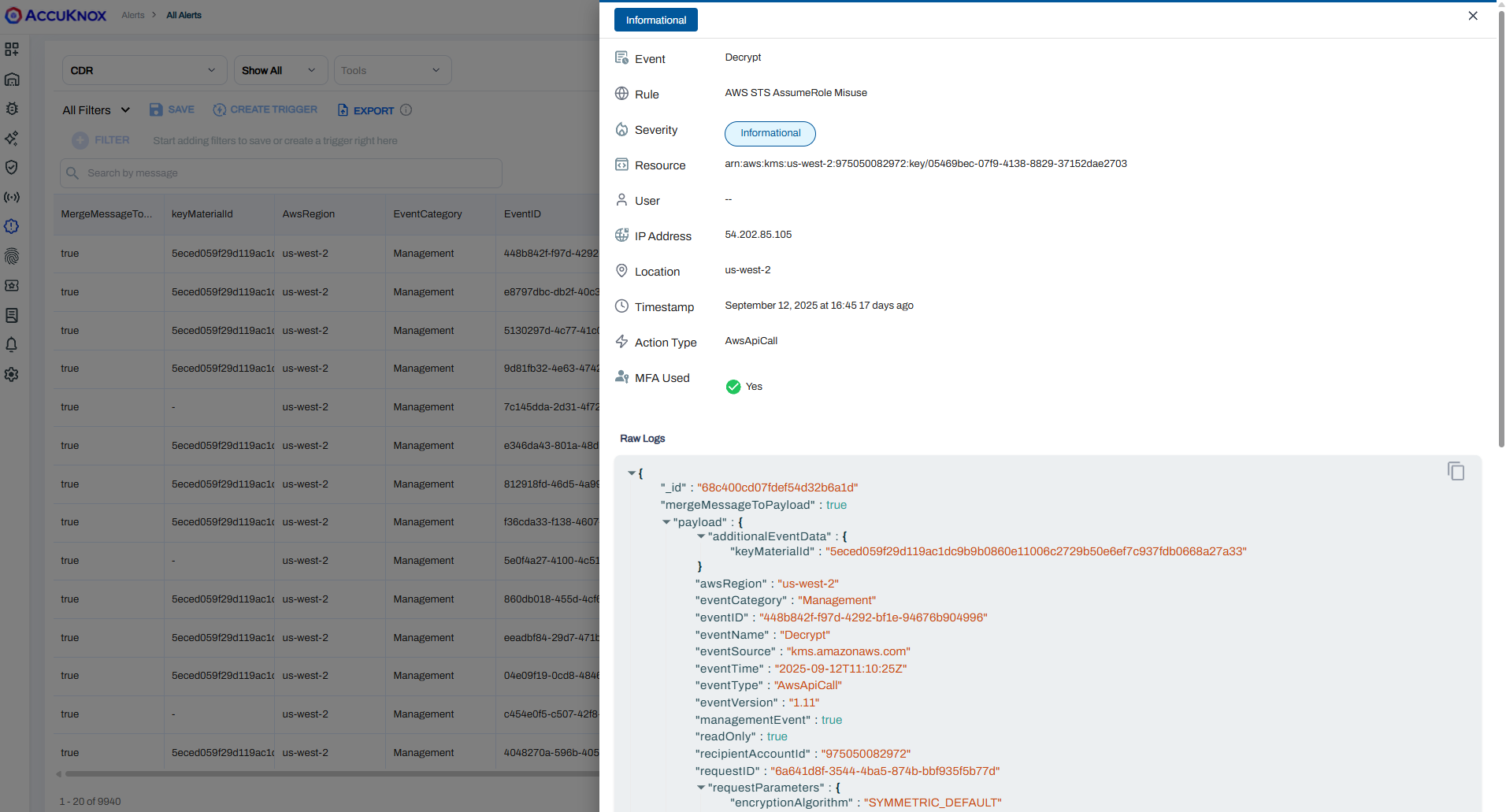
3. Detailed Drawer View for CDR & SIEM
Security analysts had to pivot across multiple screens to investigate a single event.
The new detailed drawer consolidates event payloads, rule matches, source metadata, and response actions in a single pane — without navigating away.
This drastically reduces MTTR (Mean Time to Respond) by enabling triage and rule tuning from within the same context.
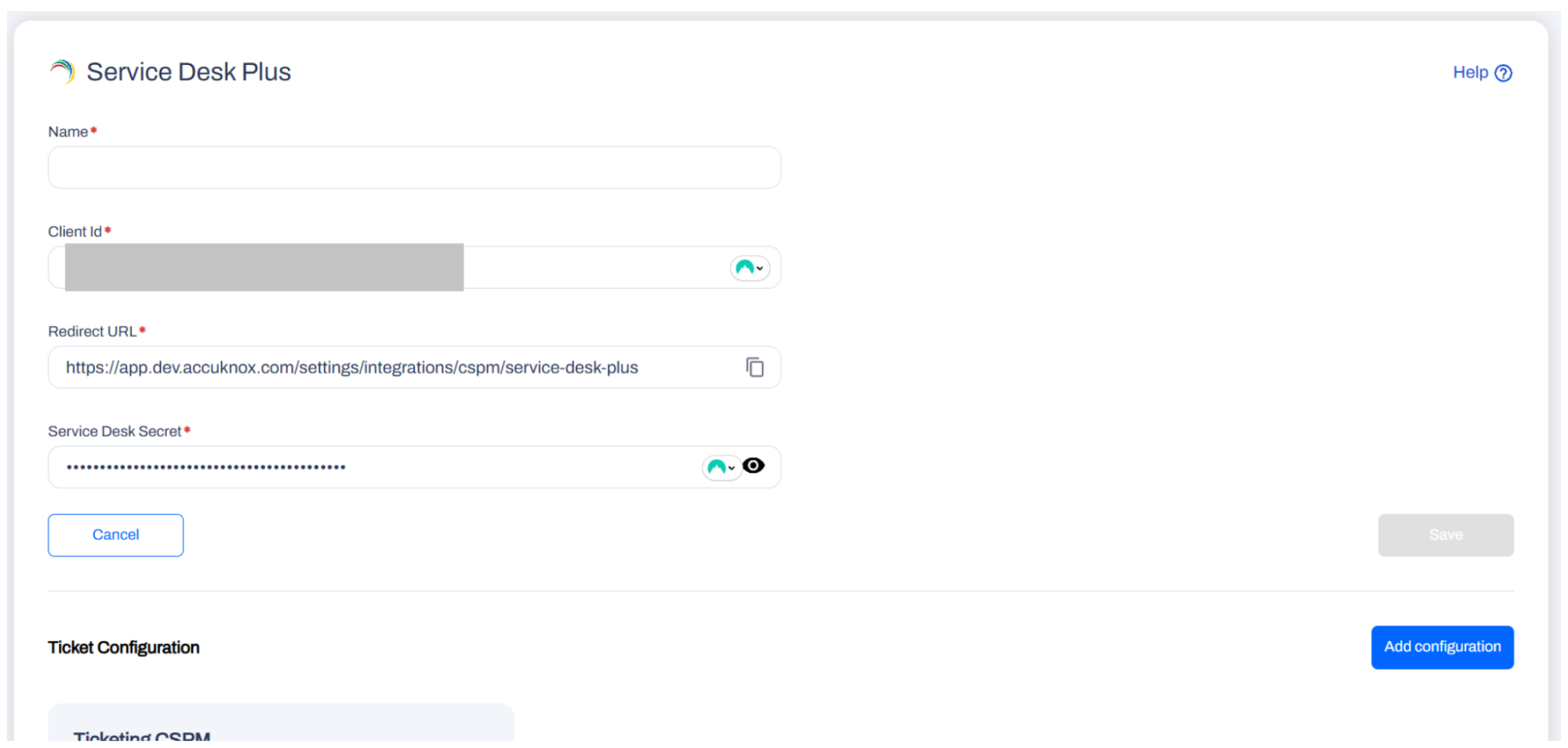
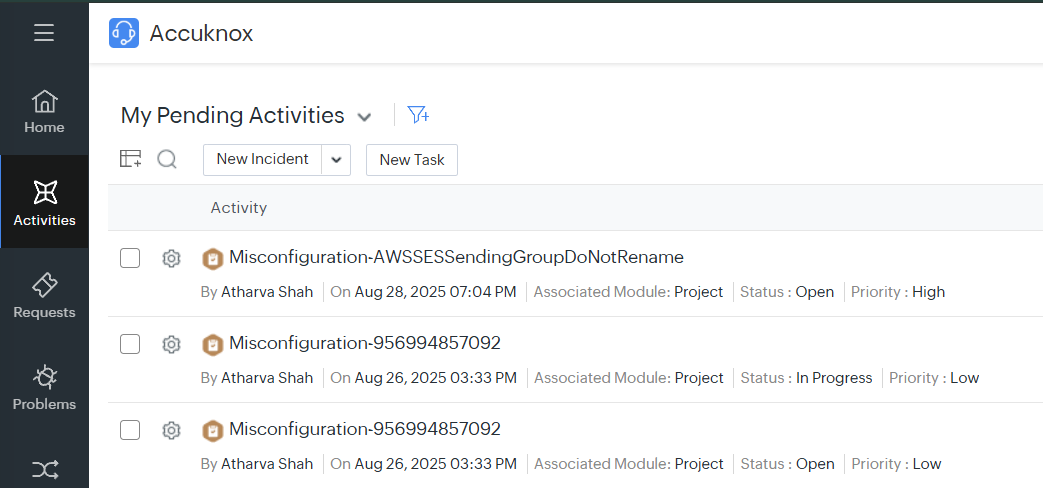
4. Manage Engine Service Desk Pro Support
Older integrations occasionally missed priority updates and left stale profiles after deletion.
The new implementation: - Fully supports priority synchronization - Cleans up deleted configs automatically - Enhances UI usability with sortable, filterable lists
This ensures smooth ITSM integration and eliminates manual cleanup work for service desk admins.
5. VM Vulnerability Scanning (AWS, GCP, Azure)
- Previously, VM Malware and Vulnerability findings lacked crucial context, forcing teams to manually reconcile results with inventory data.
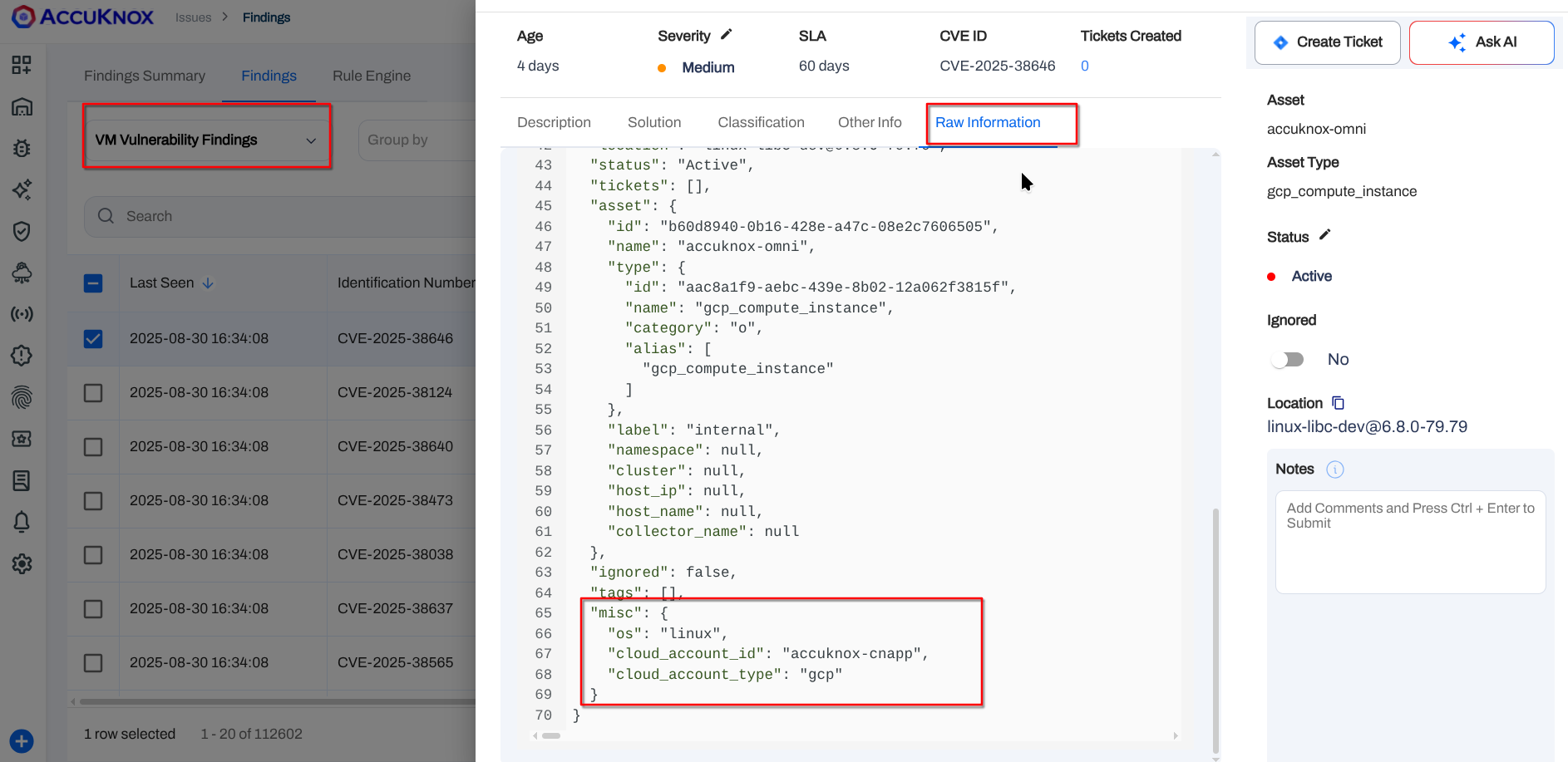
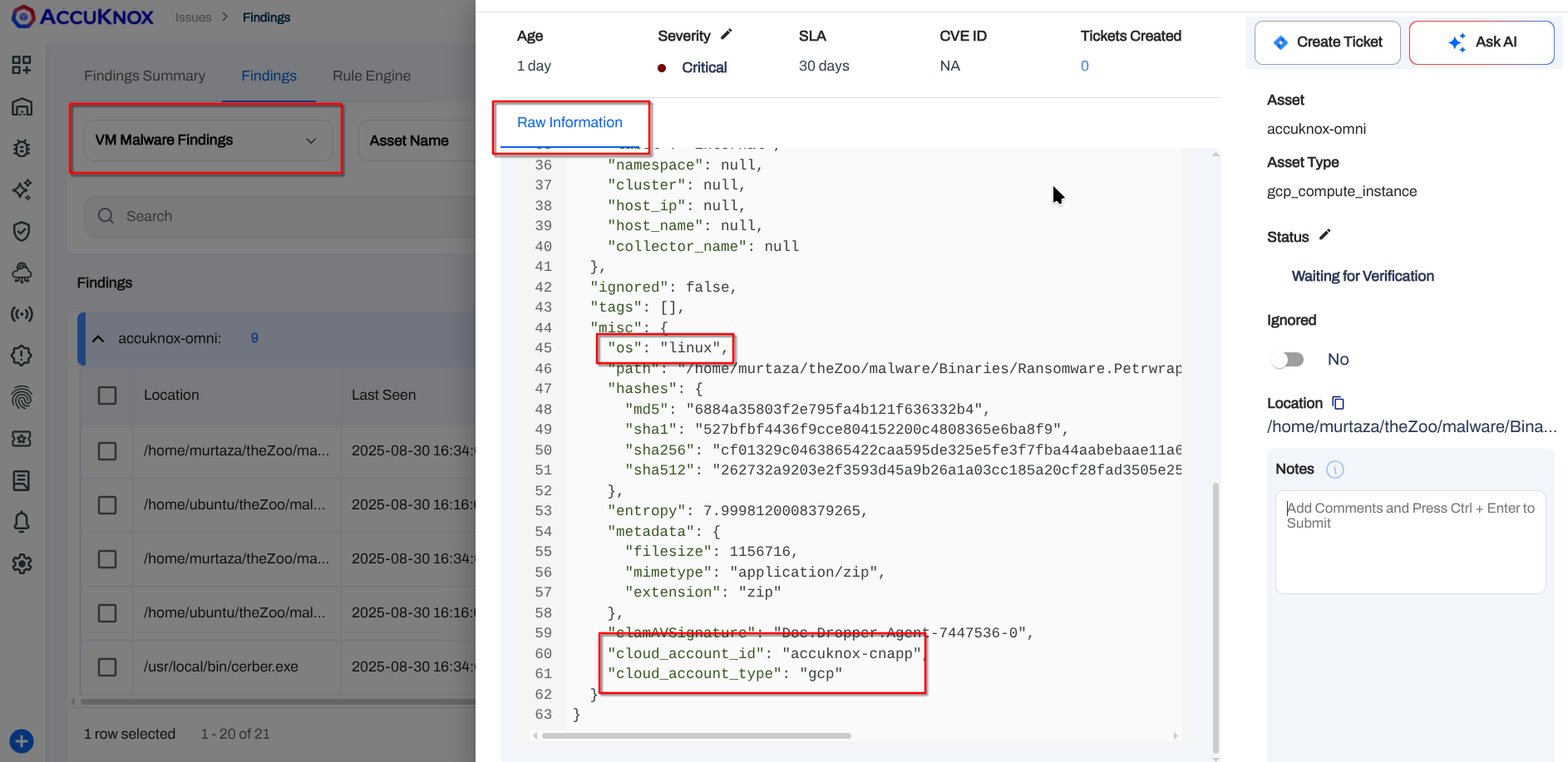
- This release enriches both VM Malware Findings and VM Vulnerability Findings with three new metadata fields:
- OS Distribution
- Cloud Account Type (AWS, GCP, Azure)
- Cloud Account Name
- These attributes are now populated directly from VM metadata and cloud account mappings, ensuring accurate attribution of findings.
- Downstream widgets and dashboards automatically consume these fields, enabling filtered views by cloud provider or OS type.
- Makes it easier to assign remediation to the right business unit and significantly improves compliance and executive reporting.
6. API Security -- Phase 1
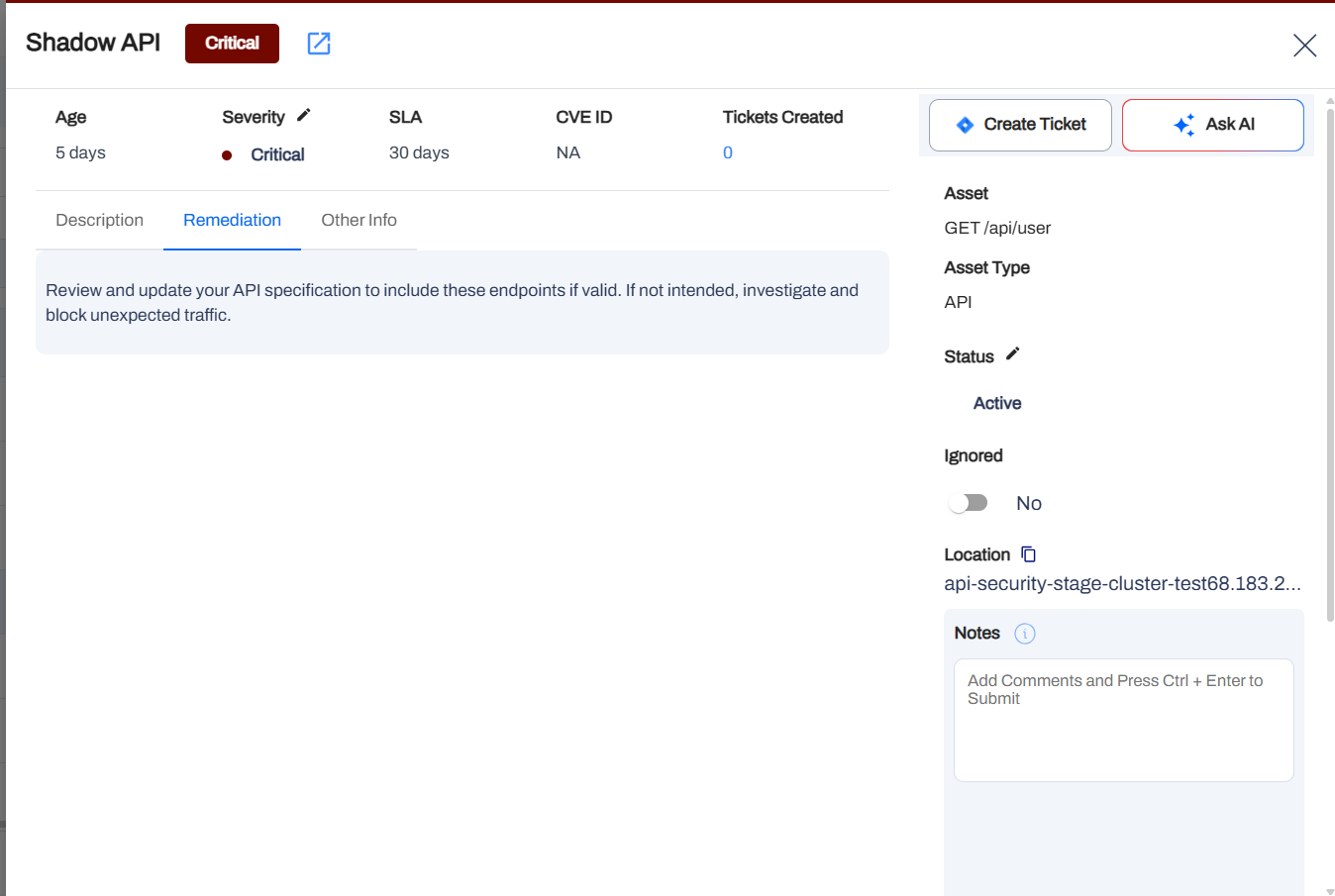
- Laid the API Observability foundation with a first iteration of API Inventory.
- Added dedicated Endpoints and Collections pages for clear categorization.
- New API Specifications page lets teams review schemas/contracts for each discovered API.
- Scans page enables static and dynamic analysis to catch exposure issues early.
- Enhancements include:
- Generic Count API for consistent reporting
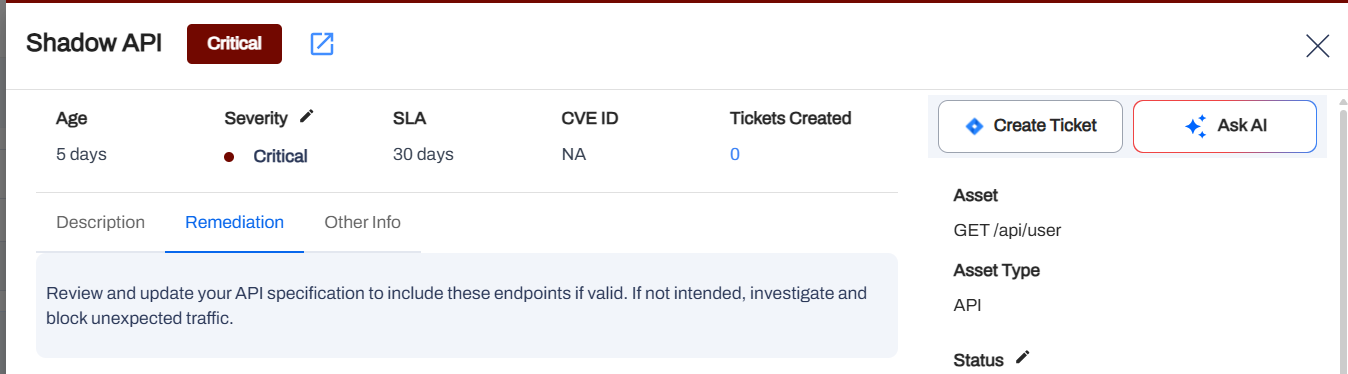
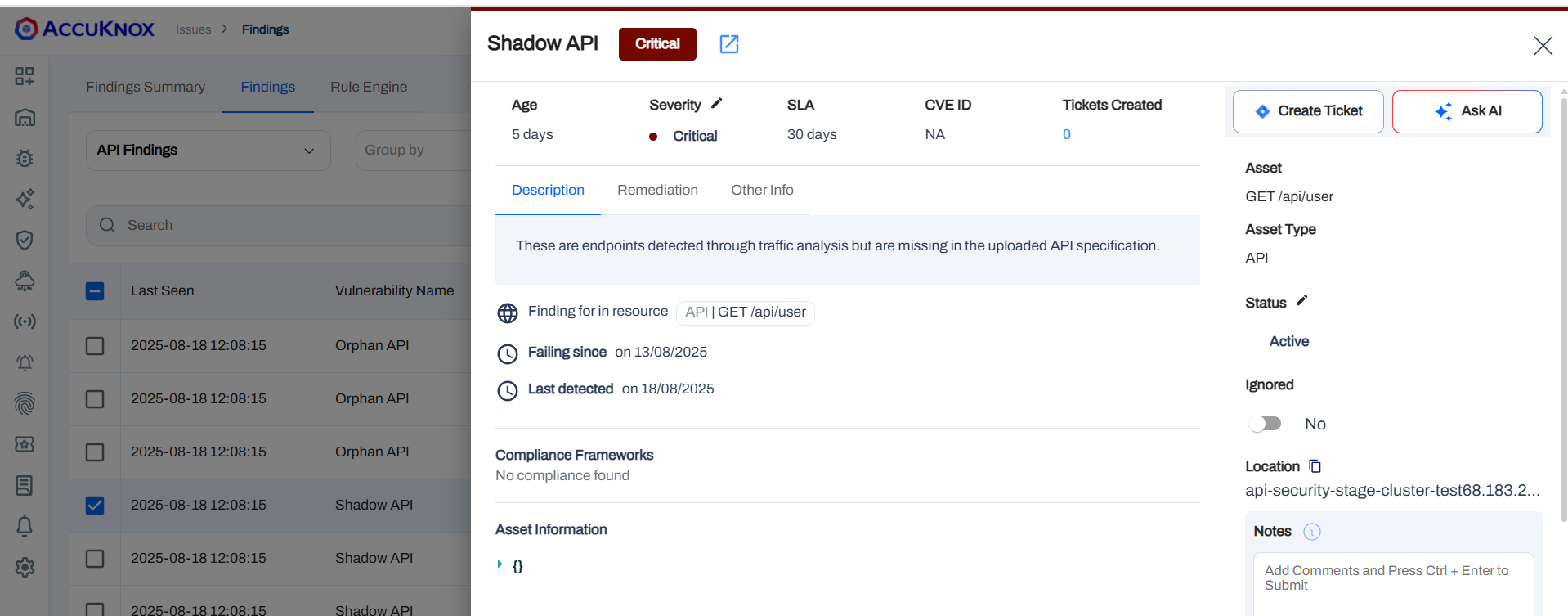
- API Findings surfaced directly on the Findings page for easy triage
Together, these capabilities deliver the first stage of API Security coverage: - Automatic discovery of internal/external APIs - Inventory organization - Security signal centralization
This gives teams an actionable map of their API attack surface and sets the stage for runtime protection in upcoming phases.
7. Collectors
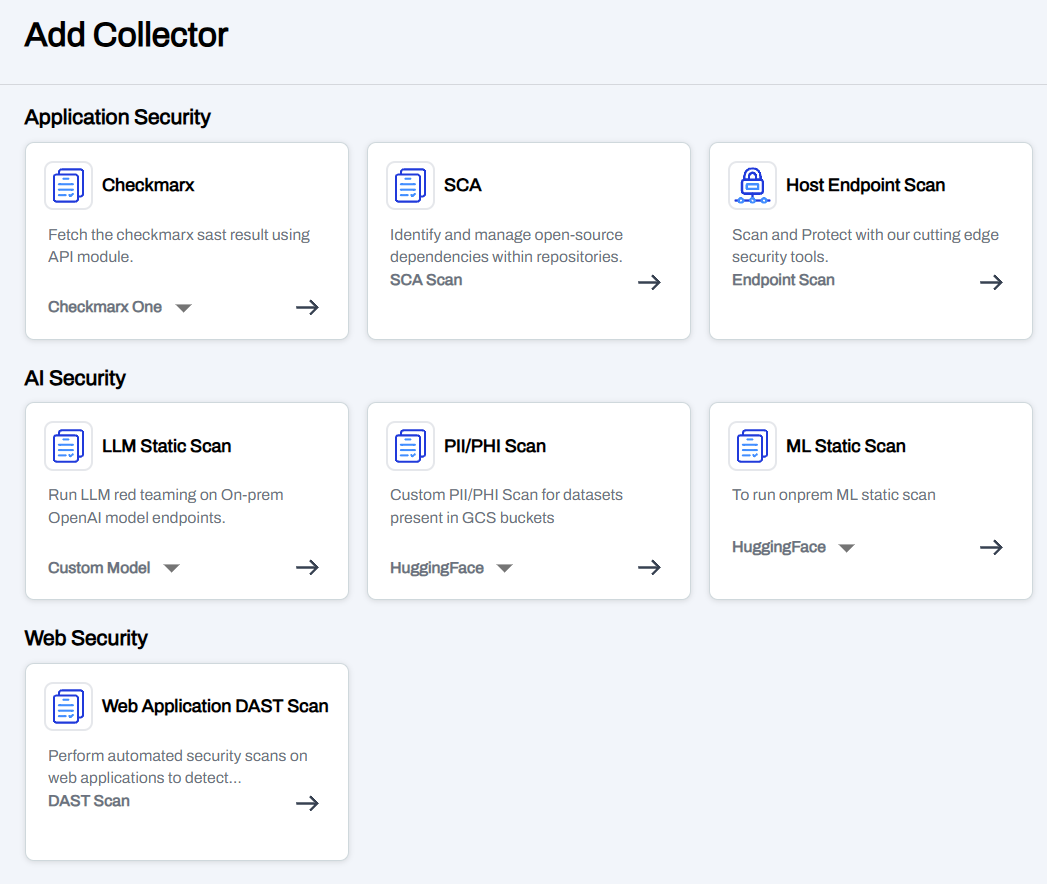
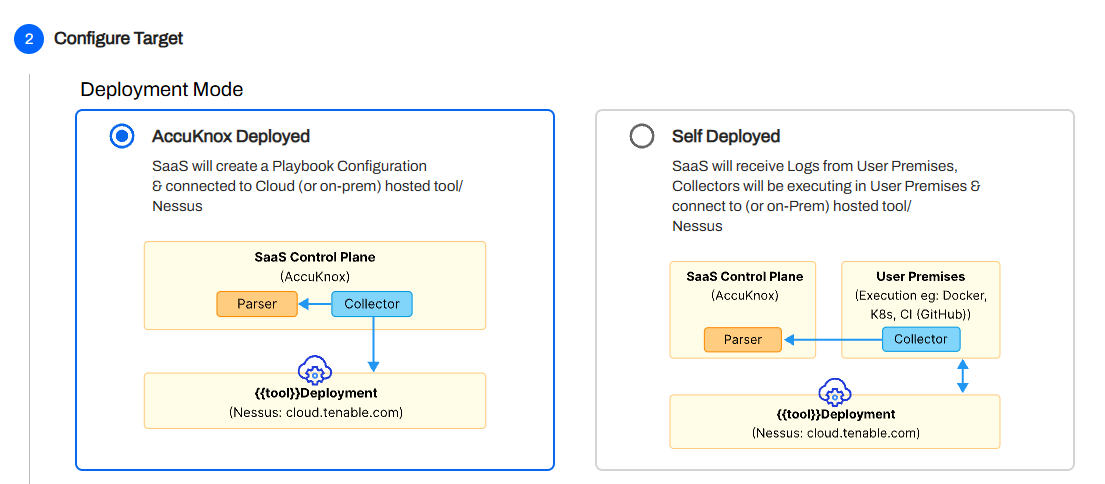
- Built-in collectors for Host Endpoint Scanning, ASPM, and AI-Security Modules.
- Accessible via Settings > Collectors.
- Eliminates the need for custom scripts, plugins, or workflows across GitLab, GitHub, Nessus, etc.
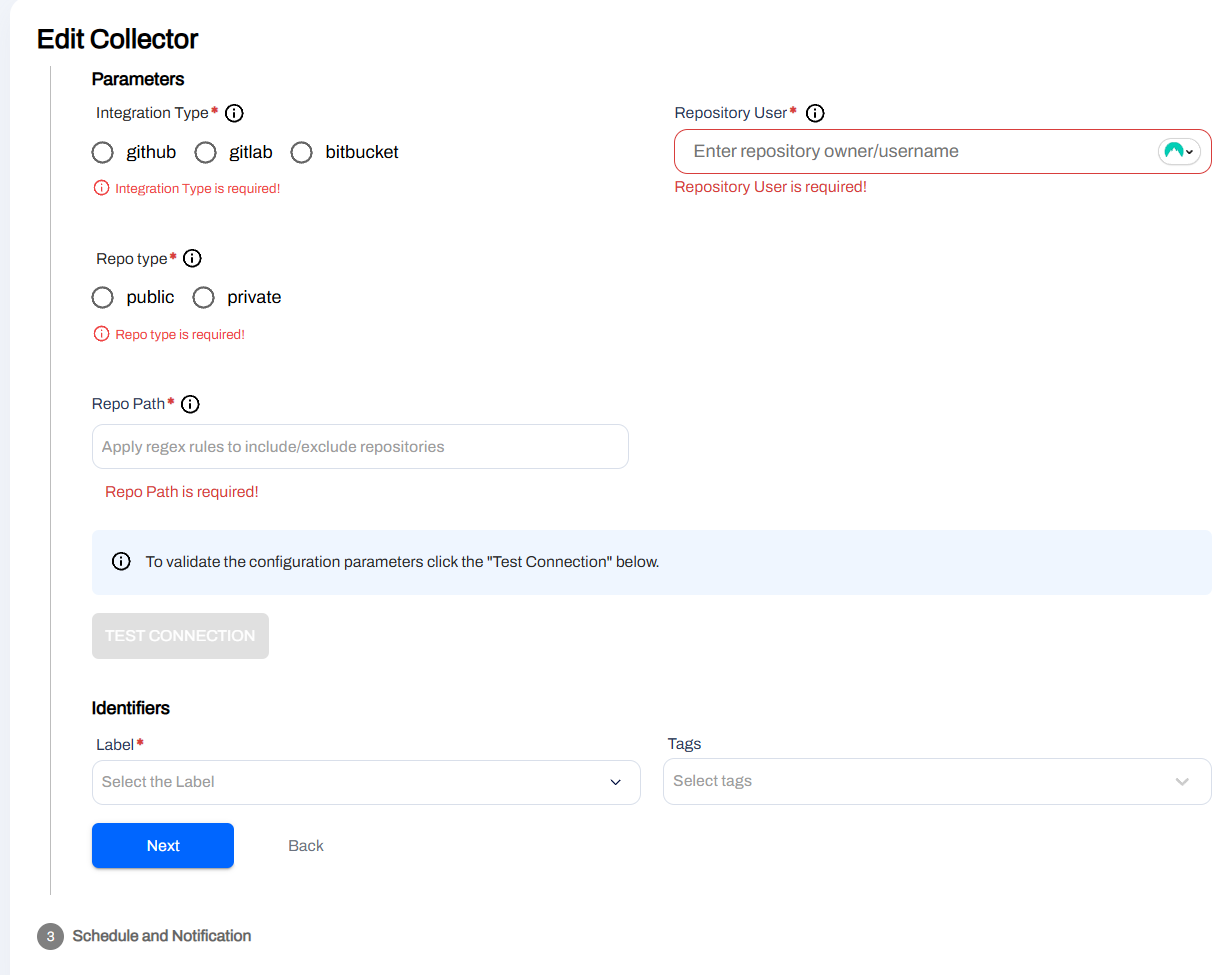
- Configure and run scans from a single interface — whether using AccuKnox-deployed or self-deployed tools.
✅ Streamlines setup, reduces errors, and saves time by enabling seamless configuration and deployment directly within the platform.
8. Hardening Policies for VMs
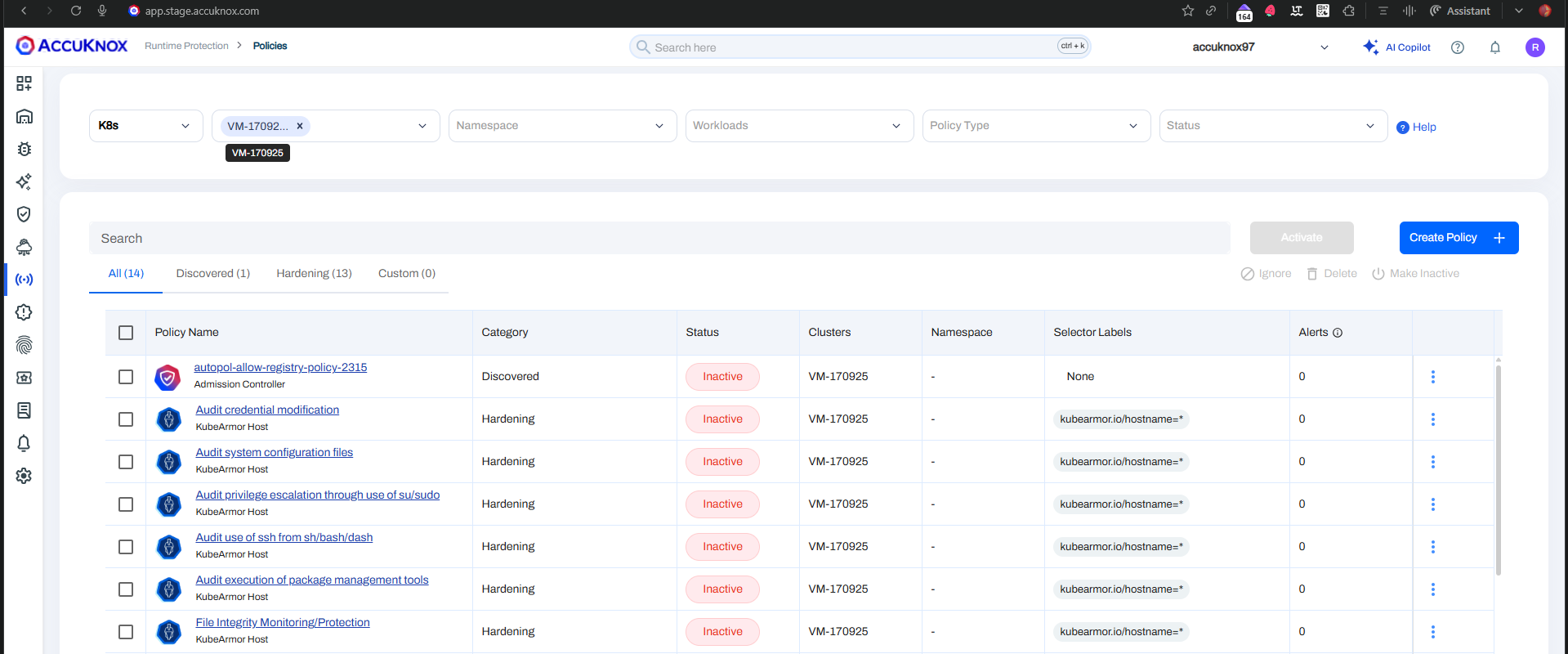
When onboarding VMs, recommended hardening policies can now be applied to secure them and scan for known issues.
Access these out-of-the-box policies under Runtime Protection > Policies and enforce them on your VMs for faster, stronger security.
9. SPIRE-Based Onboarding for Jobs
AccuKnox Jobs now support SPIRE-based authorization as a replacement for access-token based deployments.
- Once a cluster is onboarded in the UI, users can deploy jobs using the join token instead of an access token.
- This streamlines deployment and leverages existing SPIRE-based cluster authorization.
- No need to chase expiring tokens — SPIRE makes access set-and-forget with simplified access preservation.